
Top 5 Benefits of Laser Surface Cleaning Over Traditional Methods
JM
Introduction to Laser Surface Cleaning
Laser surface cleaning is rapidly gaining popularity as a superior alternative to traditional cleaning methods. Utilizing focused laser beams, this method effectively removes contaminants without damaging the substrate. But what makes it stand out from conventional approaches?
Precision and Control
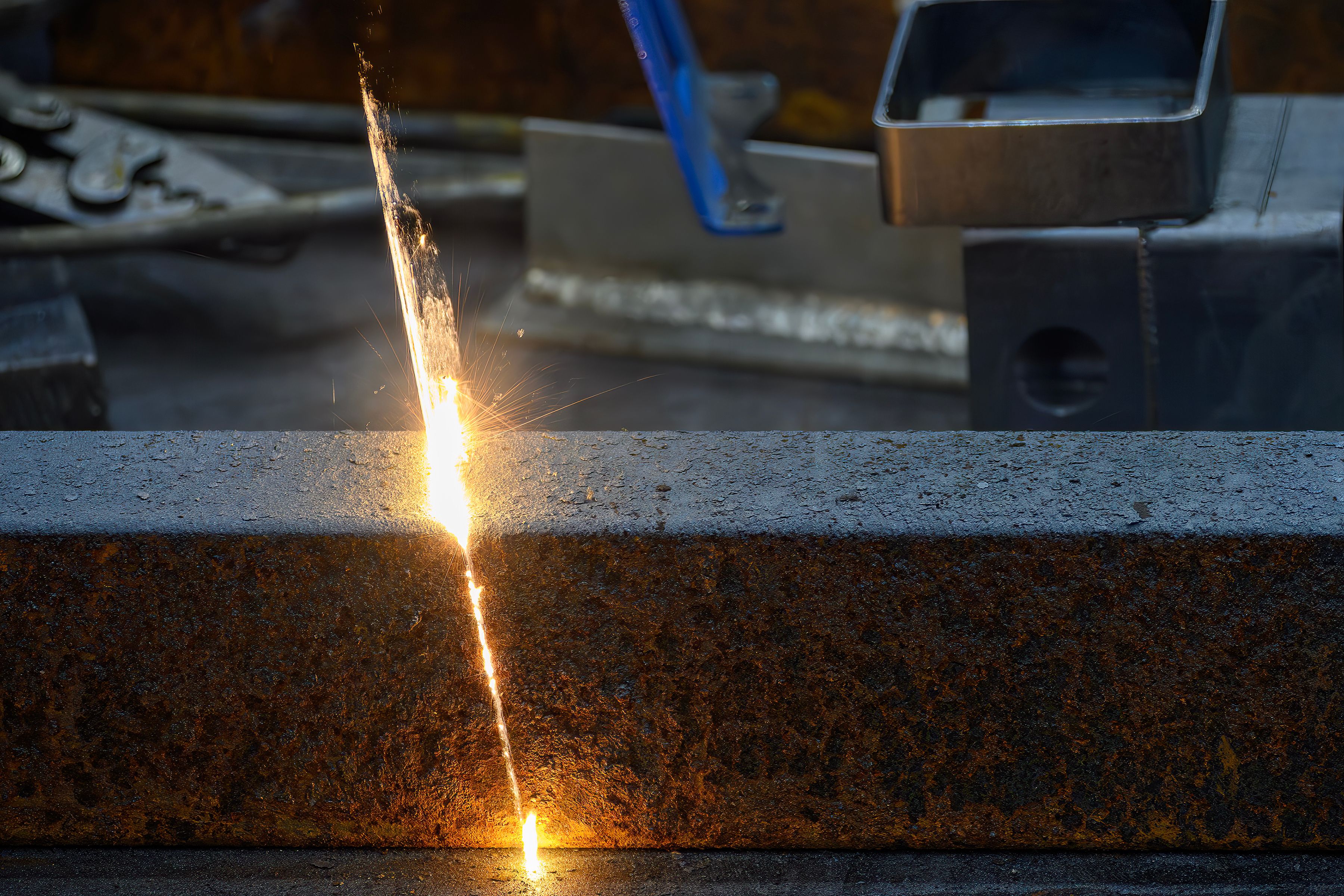
One of the most significant benefits of laser surface cleaning is its precision. The laser can be finely tuned to target only the unwanted materials, leaving the underlying surface untouched. This level of control is particularly advantageous in industries where detailed work is essential, such as aerospace and electronics.
Traditional methods, like chemical cleaning or sandblasting, lack this level of precision. They often run the risk of damaging the surface, leading to costly repairs and replacements. With laser cleaning, you can maintain the integrity of delicate components while achieving effective cleaning results.
Environmental Benefits
Laser surface cleaning is an environmentally friendly option because it eliminates the need for harsh chemicals and reduces waste. Conventional methods often require the use of solvents or abrasive materials, which can be harmful to the environment and pose health risks to workers.

By switching to laser cleaning, companies can significantly reduce their environmental footprint and improve compliance with environmental regulations. This not only benefits the planet but also enhances the company's reputation as a responsible and sustainable business.
Cost-Effectiveness
Although the initial investment in laser cleaning equipment may be higher, the long-term cost savings are substantial. Traditional methods often involve recurring expenses for consumables, waste disposal, and maintenance. In contrast, laser cleaning requires minimal upkeep and operational costs.
Moreover, the efficiency and speed of laser cleaning can lead to increased productivity, further offsetting the initial investment. Companies can expect a quick return on investment, making it a financially savvy choice.

Safety and Worker Well-Being
Safety is a crucial consideration in any industrial process. Laser surface cleaning minimizes health risks by eliminating exposure to harmful chemicals and reducing dust and noise levels. Workers can perform cleaning tasks more safely and comfortably, leading to enhanced job satisfaction and productivity.
Additionally, laser cleaning systems are often automated, reducing the need for manual labor and minimizing the risk of accidents. This automation not only ensures consistency in cleaning results but also contributes to a safer working environment.
Versatility Across Industries
From automotive to heritage conservation, the versatility of laser surface cleaning is unmatched. It can be used on a wide range of materials, including metals, plastics, and stones, making it suitable for diverse applications. This flexibility allows companies across various sectors to adopt laser cleaning without significant adjustments to their processes.
The adaptability of laser cleaning ensures it meets the unique demands of different industries, providing a tailored solution for specific cleaning needs.
Conclusion
In summary, laser surface cleaning offers numerous advantages over traditional methods, including precision, environmental benefits, cost-effectiveness, safety, and versatility. As industries continue to seek more efficient and sustainable solutions, laser cleaning presents a forward-thinking option that aligns with modern needs and values.